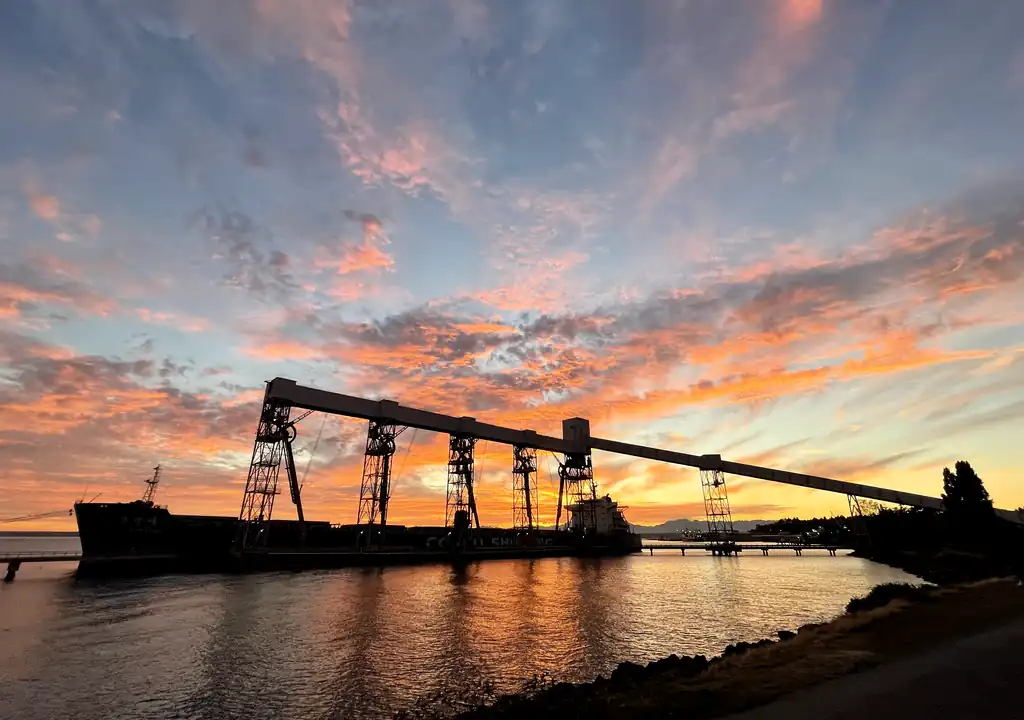
Dry bulk shipbroking from the United Kingdom
Vector Bulk is an independent UK shipbroker fixing dry bulk cargoes and tonnage worldwide for owners, operators, charterers and traders. Handysize to Capesize, voyage and period.
Voyage, period and contract business.
One desk working both sides of the dry bulk market: cargoes looking for ships, and ships looking for cargoes.
Voyage charters
Spot and forward cargoesSingle and consecutive voyages, matched on size, gear, position and laycan, from first indication to clean recap.
Time charters
Trip and periodTrip time charters and period employment for owners placing tonnage and operators taking it in.
Contracts of affreightment
Volume over timeMulti-cargo programmes for charterers with regular liftings and owners who want forward cover.
Post-fixture
Laytime and demurrageVoyage follow-up after the fixture, with laytime calculated and checked, and demurrage or despatch settled.
Tonnage covered
- Handysize25–40k dwt
- Supramax / Ultramax50–66k dwt
- Panamax / Kamsarmax70–85k dwt
- Capesize170–210k dwt
Four segments, one desk.
Every order is worked against the size that suits it. Covering the four core dry bulk segments means a cargo can be tested on more than one size when the economics allow, and an owner's ship is shown to the cargoes it can actually carry.
- Handysize
- 25,000–40,000 dwtUsually geared. Minor bulks, steels and parcels into ports with draught or equipment limits.
- Supramax / Ultramax
- 50,000–66,000 dwtGeared and flexible. Grains, fertilisers, cement, clinker and the wider minor bulk trades.
- Panamax / Kamsarmax
- 70,000–85,000 dwtGearless tonnage for grains, coal and bauxite on the main long-haul routes.
- Capesize
- 170,000–210,000 dwtIron ore and coal on long-haul trades, between deep-water terminals.
The cargoes we fix.
Major and minor dry bulks, worked from the cargo side and the tonnage side alike, on worldwide trades.
Grains & oilseeds
Seasonal harvest flows where laycan, stowage factor and fumigation terms decide the fixture.
Coal
Full and part cargoes from exporting terminals to power-station and steel-mill discharge ranges.
Iron ore
Capesize and Panamax stems where port rotation and draught set the numbers.
Bauxite & minerals
Dense cargoes where hold condition, draught and load-port restrictions matter.
Fertilisers
Bulk and bagged fertilisers: seasonal, price-sensitive and often lifted on geared tonnage.
Steels & scrap
Finished steel that rewards careful stowage, and the scrap that flows back to the mills.
Cement & clinker
Construction cargoes that need clean holds and, often, ships with their own gear.
Agribulks & sugar
Agricultural bulks and sugar, where cargo care and stowage factor drive the choice of ship.
Salt & woodchips
Road salt ahead of winter and high-cube woodchip cargoes, each with its own ship requirements.
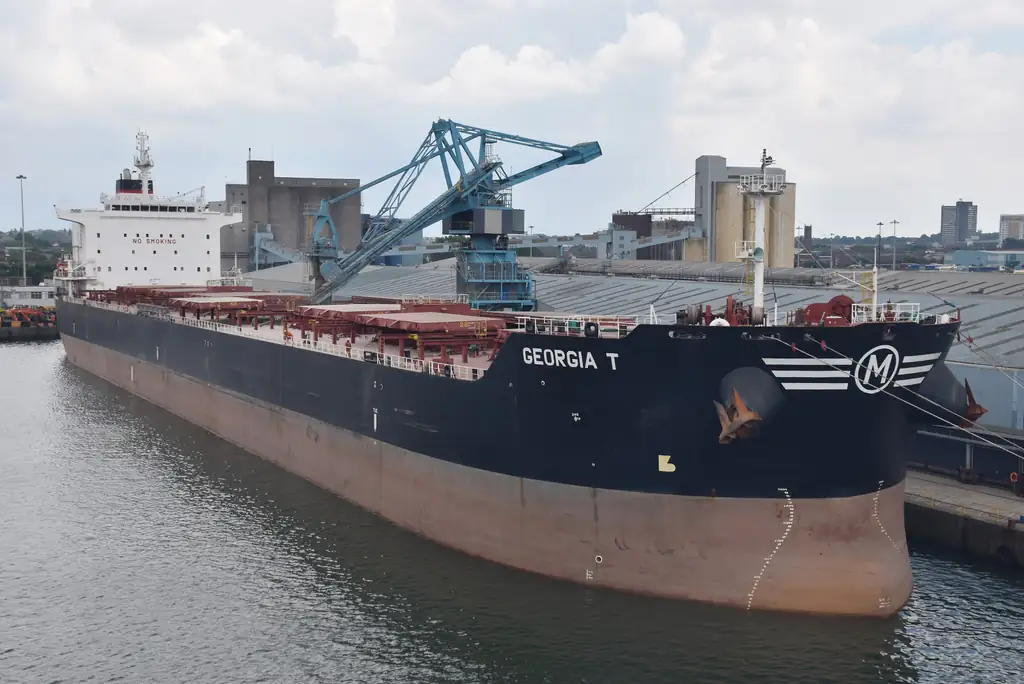
How we work
Discretion. Accuracy. Speed. Follow-through.
Four principles, applied to every order and position that reaches the desk.
About Vector BulkHow a fixture runs.
Five steps from the first email to the final laytime statement.
Starting a fixture
Send the order or position by email. The more complete the details, the faster it can be worked.
- Cargo, quantity and stowage factor
- Load and discharge ports or ranges
- Laycan, rates and terms
- Owners: vessel particulars and open position
Order or position received
Your cargo order or open position arrives by email and is checked for the details needed to work it.
Market worked
The order is matched against suitable tonnage or cargo and circulated only as you instruct.
Offers and negotiation
Indications firm up into offers and counters, with every term relayed accurately in both directions.
Fixed and recapped
Main terms are agreed, subjects lifted and a clean recap issued, followed by the charter party.
Post-fixture
The voyage is followed to completion, and laytime, demurrage or despatch are calculated and settled.
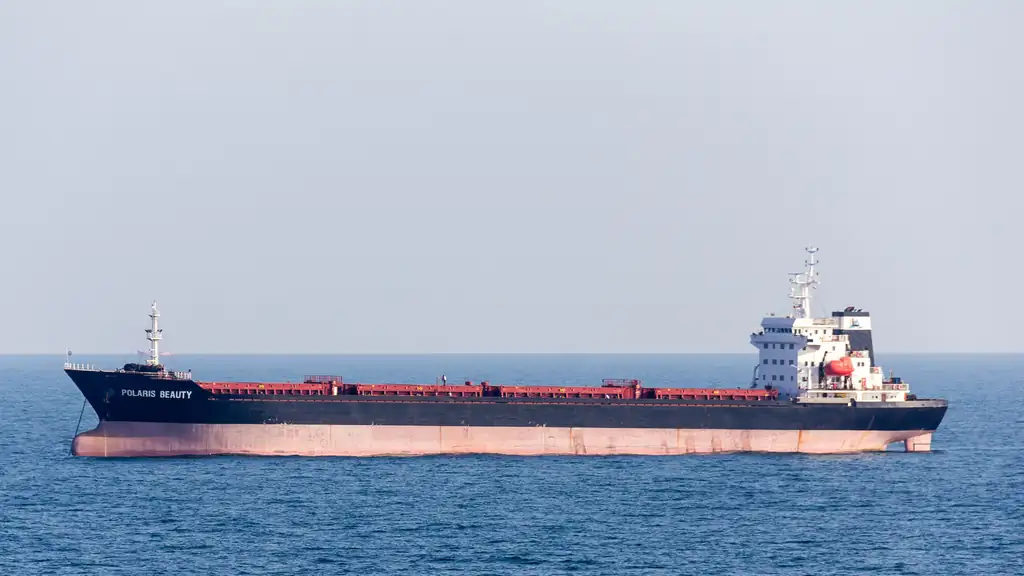
Cargo to cover or tonnage open?
Send orders, positions and enquiries to the desk. Owners, operators, charterers and traders are all welcome.
chartering@vectorbulk.co.uk